

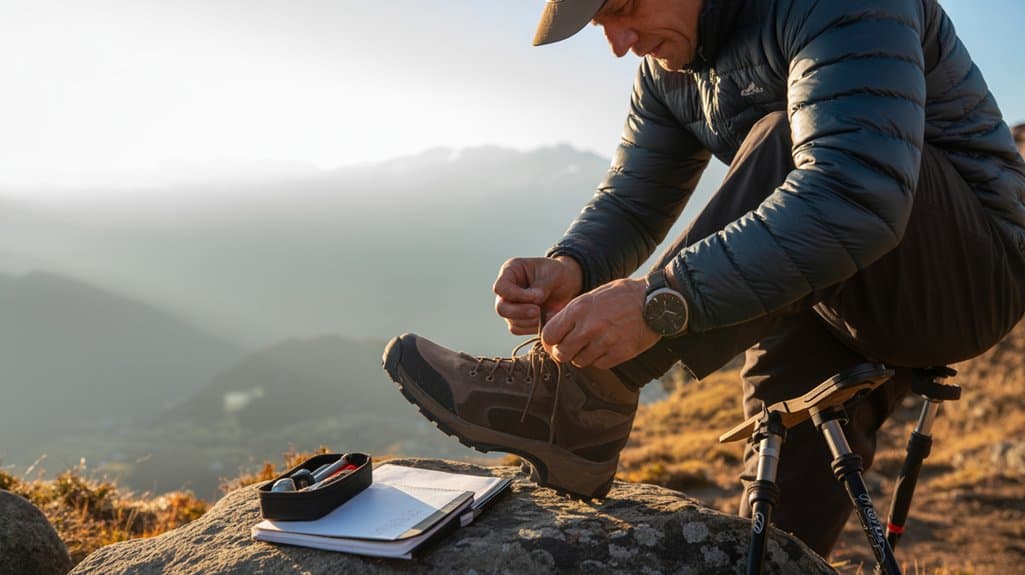

Learning self-help skills gives you real independence, boosts confidence, and makes daily life less of a struggle — and yes, fewer “can you do this for me?” moments. You’ll sharpen planning and memory by sequencing tasks, build fine and gross motor control through repeated practice, and improve social and communication skills when you ask for help or follow routines. ABA-style breaks and visuals speed progress, and over time you gain resilience and smoother shifts into adulthood, continue on and you’ll find practical tips next.
Key Takeaways
- Increases independence by enabling children to complete daily tasks like dressing, feeding, and hygiene on their own.
- Strengthens cognitive skills through planning, sequencing, memory, and problem-solving.
- Improves fine and gross motor coordination via repetitive, purposeful movements.
- Boosts confidence, self-esteem, and social inclusion through successful task mastery.
- Encourages communication and social interaction by prompting requests for help and collaborative routines.
What Self-Help Skills Are and Why They Matter
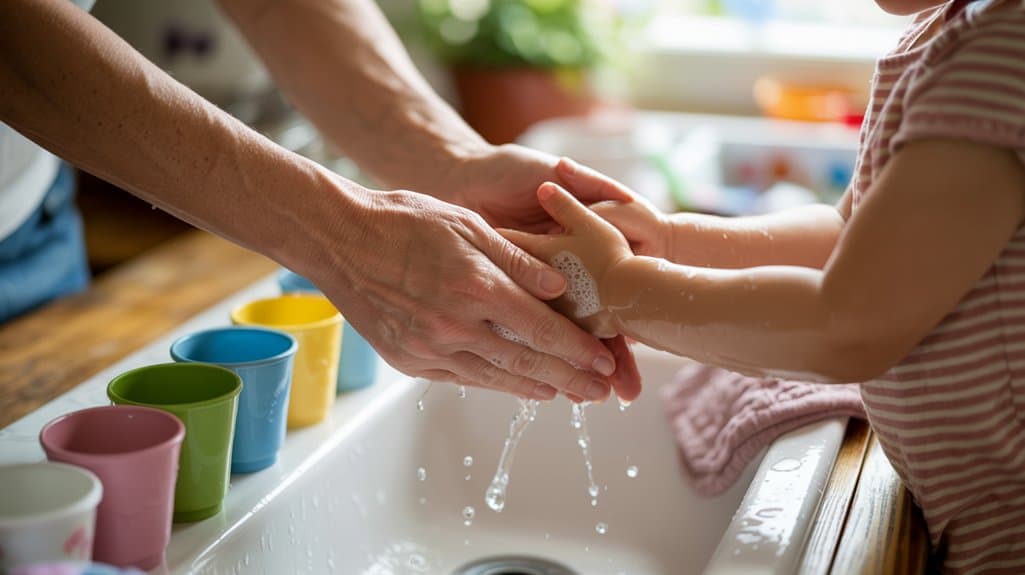
Think of self-help skills as the everyday superhero moves kids learn—dressing, brushing teeth, feeding themselves—simple, but powerful. You’ll see self-help skills are really about handling daily tasks that build independence and personal hygiene, and yes, sometimes messy learning moments. When you encourage fostering independence, you’re also nudging emotional growth and confidence, so a child feels they belong and can try things. For children with disabilities, teaching these routines matters even more, it supports self-reliance and social inclusion, and shows you value their progress. These skills also tie into cognitive development, since planning and sequencing are involved, but the main win is practical: you help a kid become capable, proud, and better prepared for the small, stubborn challenges of growing up.
Cognitive, Motor, and Social Gains From Self-Help Training
When you teach self-help skills, you’re not just checking off chores—you boost cognitive processing by getting kids to plan, remember steps, and solve small problems on their own. Those repetitive tasks also sharpen fine and gross motor control, from buttoning a shirt to balancing while reaching, so their hands and core learn to cooperate like a tiny, efficient assembly line. And because kids practice asking for help, following routines, and communicating needs, their expressive and receptive language improves and they start maneuvering social situations with more confidence (and fewer meltdowns).
Improved Cognitive Processing
Although it might seem small, teaching kids self-help skills gives their brains a lot to chew on, and they come out smarter for the effort. You’ll notice their cognitive abilities sharpen as they plan, sequence, and carry out daily activities, turning tiny routines into problem-solving and critical thinking practice. When a child ties shoes or sets a plate, memory retention improves because actions link to outcomes, and that real-world feedback sticks better than drills. These tasks also boost communication and social interactions, since asking for help or explaining steps teaches language and teamwork, and that builds confidence. You get a friendly loop: motor skills support thinking, thinking supports social skills, and everyone feels more capable — including you.
Enhanced Fine And Gross-Motor
You’ve already seen how planning and problem-solving sneak into everyday routines, and those same brain gains show up physically when kids practice self-help tasks. When children learn self-help skills like using utensils or buttoning shirts, you get enhanced fine motor control and better hand-eye coordination, which makes daily tasks less frustrating and oddly satisfying. It’s not magic, just practice.
Gross motor skills improve too, since dressing and grooming ask for balance and coordinated movement, so kids move more confidently. Planning and sequencing boost problem-solving abilities and memory, and mastering routines raises confidence and self-esteem, which helps them try new things. You’re part of their team, cheering small wins that add up to real independence.
Stronger Social Communication
Because learning to do for yourself involves more than hands-on practice, self-help training quietly turns into social communication practice too, and that’s where the real payoff shows up. You’ll notice stronger social communication as kids use expressive language to ask for help or share a snack, and receptive language improves because they’re following simple directions during daily activities. Those tiny wins—buttoning a shirt, passing a fork—boost confidence, and confidence makes joining group games less terrifying. Fine motor skills help too, since smoother dressing and grooming reduce frustration and keep social interactions positive. Over time, practicing self-help skills builds social skills and independence, so you end up with someone who participates, connects, and belongs.
Practical ABA Methods to Teach Self-Help Skills
When you break big tasks into tiny steps, teaching self-help skills suddenly stops feeling like climbing Everest in flip-flops. You use task analysis to map each move, then apply positive reinforcement so wins keep happening, and confidence grows. Visual supports, like picture cards or simple charts, make instructions friendly and predictable, helping people follow along without guessing.
You’ll also model tasks—show it, do it, let them try—so imitation becomes learning, not mystery. Natural Environment Training keeps practice real, in the kitchen or bathroom, so skills stick beyond therapy sessions. Together these methods create a supportive learning environment that builds independence, teaches essential skills, and helps everyone feel capable and included, without pressure or drama.
Troubleshooting Common Barriers and Challenging Behaviors
Even the best-laid plans hit potholes, and teaching self-help skills is no exception—sensory quirks, slow development, or simple stubbornness can turn a five-step task into a full-on drama. You’ll see barriers like developmental delays or sensory sensitivities that make children avoid or resist self-help tasks, and that’s okay — it just means you tweak your approach. Break tasks into tiny steps, add visual supports, and celebrate each small win so kids try tasks independently more often. When frustration becomes challenging behaviors, stay calm, use positive reinforcement, and offer choices to keep dignity intact. Collaborate with caregivers and professionals to design customized interventions, so everyone feels included, productive, and quietly relieved when progress shows up.
How Caregivers and Schools Reinforce Skills Daily
All that troubleshooting work pays off most days because caregivers and school staff pick up the baton and keep practice happening every single day. You see it in small routines — snack time, zipper practice, tying shoes — where caregivers and schools create predictable moments for self-help skills, and kids get steady, safe chances to try. Adults model tasks, offer gentle prompts, and celebrate tiny wins, so children build confidence and taste independence without drama. When home and classroom signals match, collaboration feels effortless, and support becomes a shared habit rather than a project. You’ll notice progress faster when practice is regular, encouragement is sincere, and everyone treats learning as part of the day, not a solo mission.
Long-Term Benefits: Independence, Self-Esteem, and Transition
Because kids who learn self-help skills practice things that actually matter every day, you’ll see benefits that stick long past the preschool years. You’ll notice growing independence as they handle daily tasks like dressing, feeding, and basic personal care, which builds long-term independence without constant help. That practical competence boosts self-esteem, and you’ll watch confidence replace hesitation, kind of like watching training wheels come off.
As they face new responsibilities, the change to adolescence and adulthood gets smoother, since they’ve learned problem-solving and resilience through trial and error. Their emotional well-being improves too, they feel more in control and less anxious, which helps them belong and contribute. In short, teaching self-help skills gives kids tools for life, and that’s worth a little mess now.
Conclusion
Think of learning self-help skills like teaching someone to ride a bike: at first it’s wobbly, then steady, and finally freeing—one study even shows kids who learn daily living skills are 2.5 times more likely to live independently later. You’ll use ABA strategies like small steps, prompts, and praise, and with consistency from you and school staff, those skills stick. Over time, independence builds confidence, reduces caregiver load, and opens real-world opportunities.